Protecting Africa’s Vultures

Preventing their Extinction with Vulpro

Saving Africa's Vultures

Since 2007, Vulpro has been transforming how the world sees vultures. Every day, we see these remarkable birds facing threats from power lines, poisoning and human indifference.

Vulpro is a non-profit organisation dedicated entirely to conserving Africa’s vulture species and the ecosystems they support. Through rescue, rehabilitation, release and captive breeding, we give injured or at-risk vultures a vital lifeline and help strengthen wild populations.

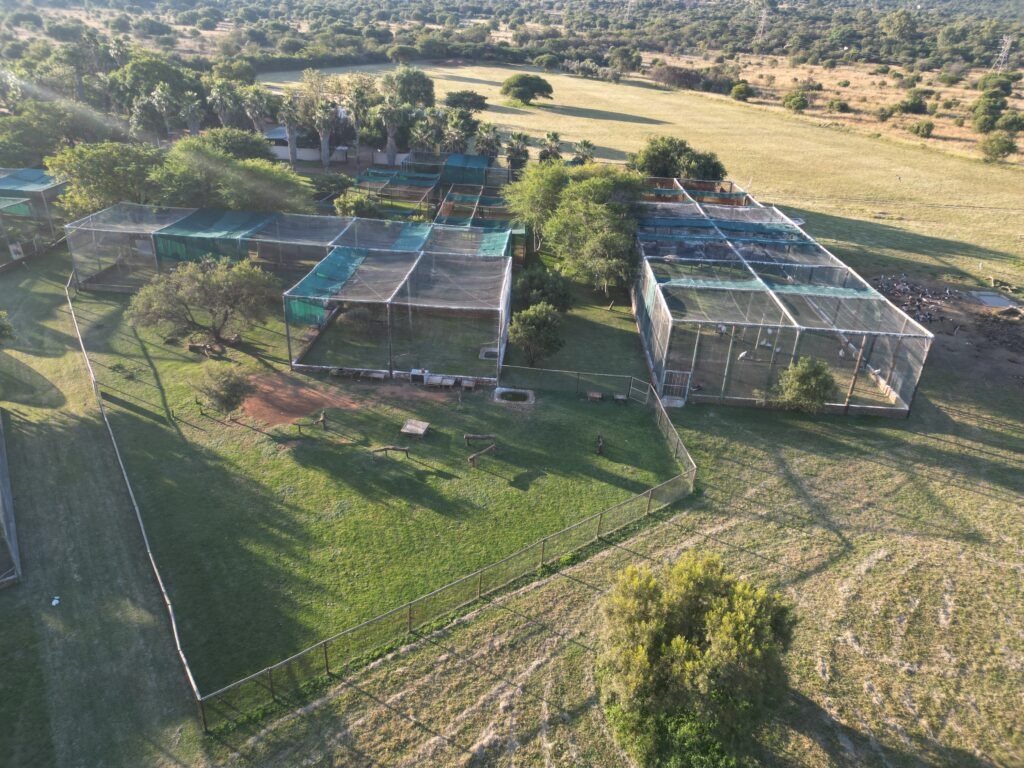
With facilities in Hartbeespoort, north of Johannesburg, and in the Eastern Cape on the Shamwari Private Game Reserve, our work spans southern Africa. We collaborate with local communities, researchers and conservation partners to tackle the many threats vultures face.

Our approach goes beyond saving individual birds. Through research, partnerships and public education, we address the root causes of decline and inspire action to secure a future where these iconic birds can thrive.

Building on this mission, Vulpro employs a holistic approach to conservation, combining both in-situ (on-site, in the wild) and ex-situ (off-site, in captivity) management strategies.

Originally established as a rehabilitation facility, Vulpro recognises the critical importance of each individual vulture for the survival of the species. Rehabilitation remains a cornerstone of our work, with all released vultures contributing to vital research through coloured leg bands and tracking devices.

Non-releasable vultures form the foundation of our captive breeding programme. Their offspring are used in release studies to assess adaptation and survival in the wild. Many released birds are fitted with GPS transmitters, enabling us to monitor survival, foraging patterns, preferred habitats, and key breeding and roosting sites.

Each year, we survey wild populations at breeding sites and maintain a re-sighting database using camera traps, photographs, and public reports. This allows us to track wild, rehabilitated, and ex-captive bred vultures beyond the lifespan of their transmitters. Our field presence also strengthens engagement with local landowners, raising awareness about the challenges facing African vultures.

Our work highlights the impact of human-induced changes on the environment, helping us identify threats and implement effective mitigation strategies. By combining scientific and veterinary research, we bridge in-situ and ex-situ conservation, addressing disease, toxicology and other threats. Vulpro’s comprehensive approach demonstrates how the careful management of each bird contributes to the survival of wild populations.

Our initiatives have achieved a 75% survival rate for released rehabilitated vultures, though some captive-bred releases have presented challenges. We continually refine our methods and aim to expand efforts into areas where vultures have become scarce or extinct. Protecting these birds is vital, as reintroducing a species is far more difficult than supplementing even a small existing population.
“Every vulture matters. Each life saved and returned to the wild strengthens the survival of wild vulture populations.”

KERRI WOLTER, FOUNDER

On-Site and Off-Site Conservation Strategies

On-Site and Off-Site Conservation Strategies
To put our holistic approach into practice, Vulpro integrates on-site and off-site strategies to protect Africa’s vultures.

On-Site (In-Situ): Safeguarding vultures in their natural habitats through population monitoring, threat mitigation, and fostering coexistence by engaging local communities.
Off-Site (Ex-Situ): Rehabilitation of injured vultures and our captive breeding programme, ensuring birds receive specialised care when they cannot survive unaided in the wild.

Together, these strategies form a comprehensive framework, maximising our impact and ensuring the long-term survival of these vital birds.

Vulpro Rehabilitation

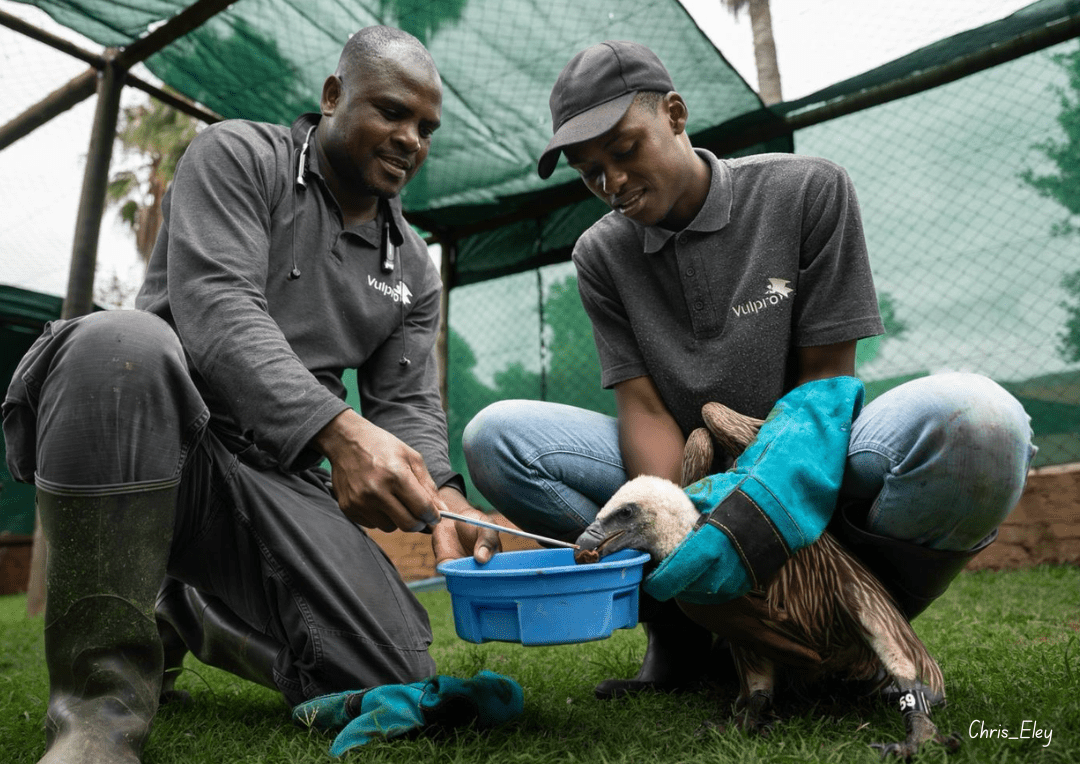
Vulpro collects injured vultures from across South Africa, providing critical veterinary care and rehabilitation to give each bird the best possible chance of returning to the wild.

Captive Breeding Programme

Vulpro has pioneered ex situ conservation breeding programmes for African vulture species, producing offspring that can ultimately be released to strengthen wild populations.

Scientific Research

Vulpro studies wild and released vultures to better understand their behaviour, movements and survival in an increasingly challenging landscape.

Community Engagement

Education is a vital conservation tool. We work with farmers, landowners and local communities to raise awareness and promote coexistence with vultures.

Rehabilitation Process

Vulpro’s rehabilitation process is meticulous, tailored to meet the unique needs of each vulture. Our dedicated team provides specialised medical care to treat injuries, poisoning and disease.
Once stabilised, we focus on restoring the bird’s physical strength and natural behaviours, preparing it for a successful return to the wild.

Only fully recovered, self-reliant vultures are released, each fitted with a tracking device or coloured leg band to contribute valuable data to ongoing research and conservation efforts.
Through these efforts, we not only save individual birds but also gain critical insights into survival, movement patterns and behaviour in the wild.

Captive Breeding Programme

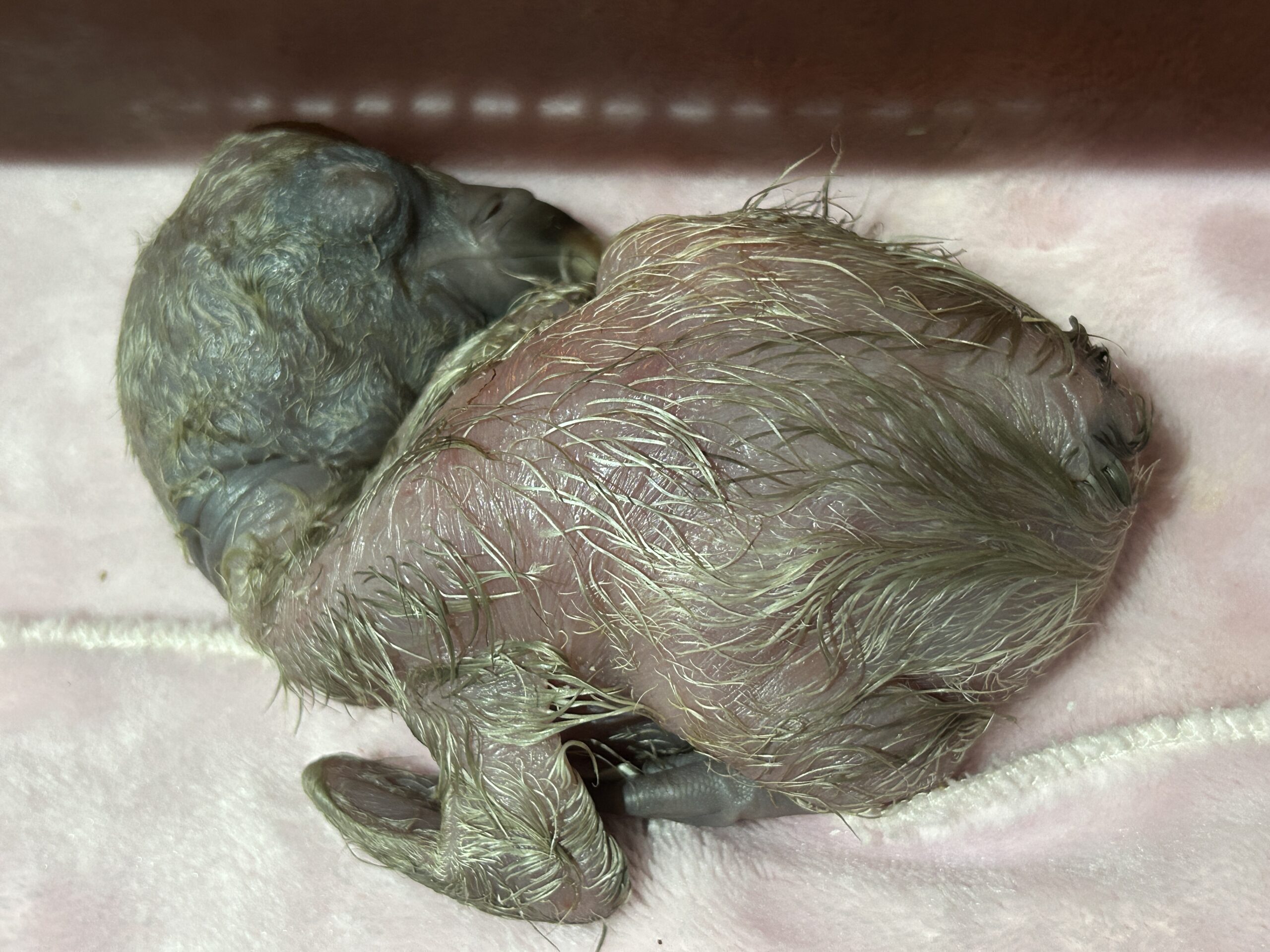
Vulpro’s captive breeding programme is a vital pillar of conservation. Non-releasable vultures are carefully paired within a safe and controlled environment, where they are able to breed and produce offspring that can ultimately be released to strengthen wild populations.

Beyond supporting population recovery, the programme provides valuable insights into breeding behaviour, chick development and long-term population dynamics. These learnings help refine conservation strategies and improve the success of future releases. Captive-bred vultures released through the programme contribute directly to supplementing wild populations, demonstrating the important role that ex situ conservation plays in securing the future of Africa’s vultures.

cape vulture chick, vulpro breeding programme

Research and Monitoring

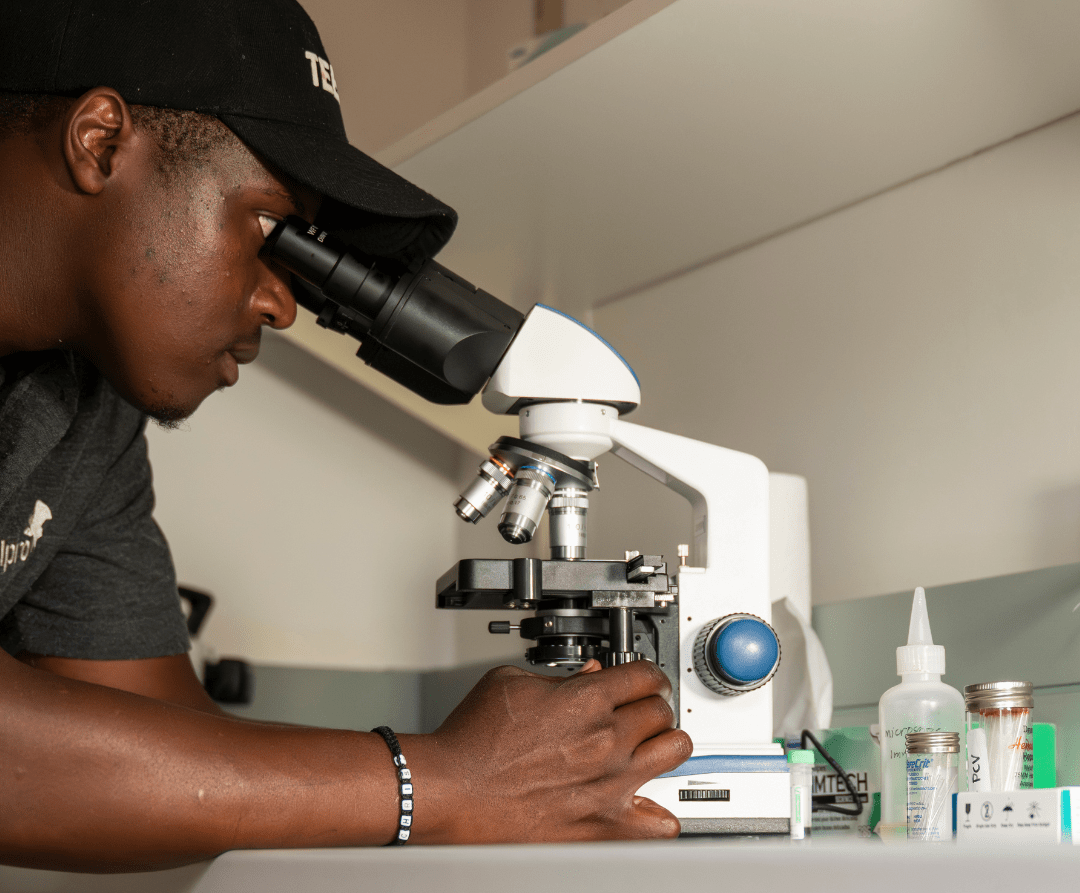
Scientific research underpins all of Vulpro’s work. In collaboration with the Veterinary Sciences Faculty at the University of Pretoria, we track and monitor wild and released vultures, studying behaviour, movements, survival and threats such as poisoning, habitat loss and collisions with energy infrastructure.


Our findings inform data-driven conservation strategies, ensuring interventions are effective and targeted. From disease and toxicology studies to habitat use and population monitoring, research enables us to protect vultures both in the wild and through our captive breeding and rehabilitation programmes.

Education & Community Engagement

Education and outreach are central to our mission. We work with local communities, farmers, landowners, schools and academic institutions to highlight the vital role vultures play in maintaining healthy ecosystems.


By raising awareness, promoting coexistence and inspiring local stewardship, we empower communities to take an active role in conservation. Combined with our partnerships across government, NGOs, industry and wildlife reserves, these efforts help create sustainable, long-term protection for Africa’s vultures.
No. of vultures
admitted to VulPro
1500 +
vultures released
from our rehab programme
400 +
Total vultures released (including captive bred)
% 50

BE THEIR LIFELINE

Your donation directly saves Africa’s vultures, restoring balance to our ecosystems.

Every Contribution Counts – Make a Difference Today!

Challenges and Solutions

Vultures face numerous threats, including collisions with power lines, electrocutions, poisoning, human-wildlife conflict, and habitat loss. Vulpro addresses these challenges through a combination of in-situ and ex-situ conservation. In the wild, we work with landowners and communities to protect habitats, monitor populations, and reduce human-wildlife conflicts.
At our centres, we rescue, rehabilitate, and breed endangered vultures, releasing them to supplement wild populations. By combining science, innovation, and collaboration, we tackle current threats while preparing for the long-term survival of Africa’s vultures.

Future Goals and Expansion

Looking ahead, Vulpro is committed to extending our efforts into regions where vulture populations are declining or have disappeared. We aim to broaden our work across additional provinces and countries, strengthening
both wild populations and our captive breeding programmes. Our vision is a future where these vital birds thrive in the wild, supported by communities, partners, and ongoing conservation action.

Through rigorous research, dedicated conservation initiatives, and meaningful community engagement, Vulpro is building a sustainable future for Africa’s vultures. Every bird matters, and together, we are making a lasting difference in safeguarding these remarkable creatures.

Our Mission

Our mission at Vulpro is to protect Africa’s vultures through collaboration and innovation.

Partners in Protecting Africa’s Vultures

Every vulture we rescue, every bird we release and every habitat we protect is a testament to the generosity and commitment of our partners. Thanks to their support we have been  able to expand our rehabilitation and breeding programmes, track and protect wild populations and raise awareness across southern Africa.
Each contribution helps save lives and gives endangered vultures a fighting chance to thrive in the wild. We are deeply grateful to the organisations and individuals who share our vision and stand with us in this vital work.

Your support is more than financial. It is a lifeline for these remarkable birds and a force for conservation across the continent.

We proudly honour the following sponsors and supporters who provided vital assistance during 2026:

Contact Us

Found a vulture, bird of prey, or large bird in distress?
Whether in southern Africa or neighbouring regions, time is critical. Quick action can mean the difference between life and death, or a successful release versus permanent captivity.

Act immediately.

EMERGENCY NUMBERS (Available 24/7):
+27 82 808 5113
+27 82 254 4162
For emergencies only.

GENERAL ENQUIRIES
For non-urgent matters: admin@vulpro.com

Please use this address only for non-urgent enquiries.

Every call helps save a life.